
Social Value
How to Measure the Social Value of Volunteering
A practical approach to evidencing the difference volunteering makes, from baselines and outcomes to honest reporting for commissioners and boards.
Care to VolunteerPublished 16 October 20267 min read
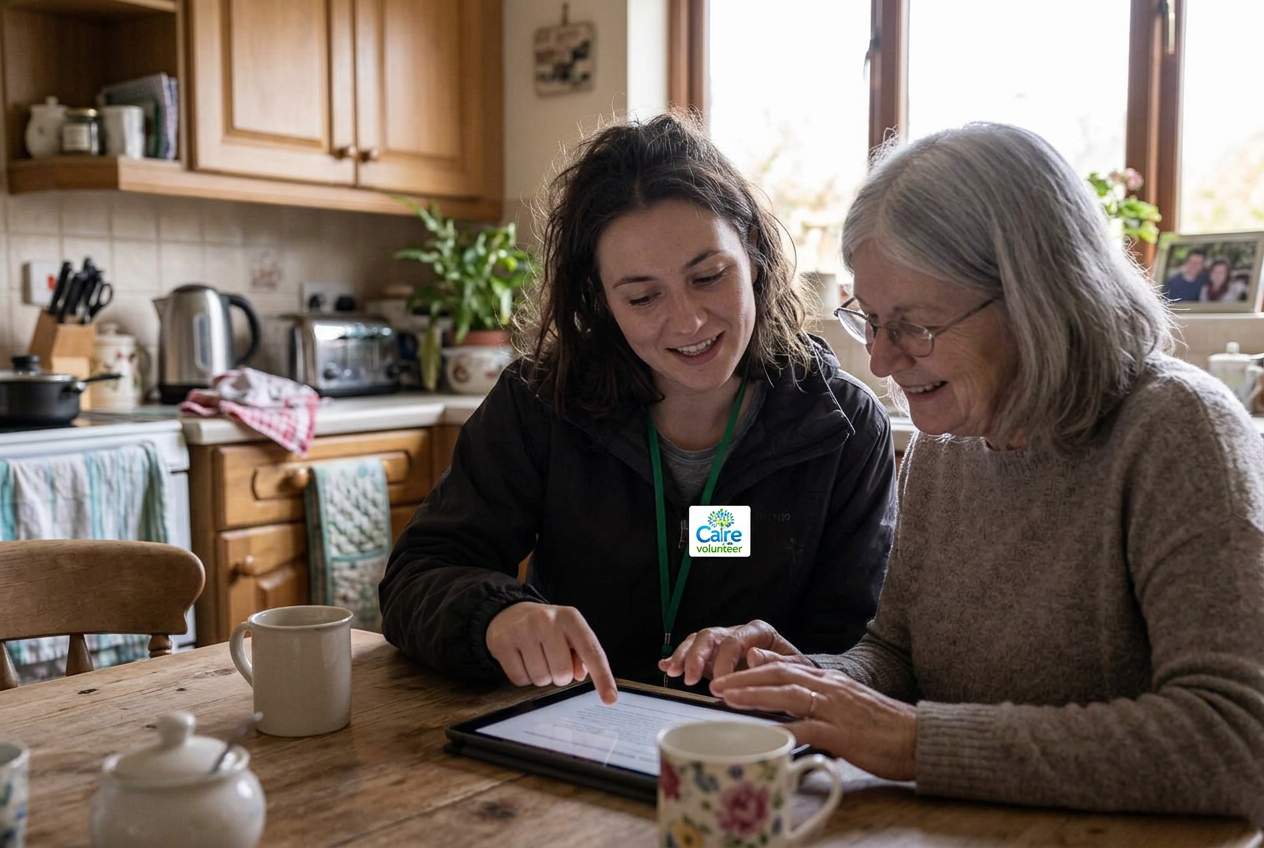
Organisations are increasingly asked to show the difference their community activity makes, not just how much of it there is. Public sector buyers assess social value in contracts, boards expect evidence behind ESG commitments and employees want to know their time mattered. Measuring the social value of volunteering well is achievable, provided it is honest about what can and cannot be shown. This guide sets out a practical approach.
1. What social value means and why measurement matters
Social value describes the wider benefit an activity creates for people, communities and the environment, beyond its direct commercial purpose. In public procurement, the Public Services (Social Value) Act 2012 requires certain public bodies to consider social value when commissioning services, and central government applies its own Social Value Model when assessing bids for in-scope contracts.
Measurement matters for three reasons. It helps you understand whether your volunteering is achieving what you intended. It gives commissioners, employers and partners credible evidence. And it helps you improve: knowing which activities create the most value for the community allows you to focus effort where it counts.
Measurement should serve those purposes. A single large figure that cannot be explained or defended is less useful than a clear, modest account of what happened and what changed.
2. Establish a baseline
You cannot show change without knowing the starting point. Before a programme begins, or at the start of a new partnership, record:
- current levels of employee participation in volunteering;
- what community partners currently offer and where they have gaps;
- any existing measures of the outcomes you hope to influence, such as attendance at a lunch club or the number of people waiting for a befriending match;
- the views of partners and, where appropriate and with consent, the people they support.
A baseline does not need to be elaborate. It needs to be recorded consistently enough that you can compare it later.
3. Inputs, activities, outputs and outcomes
One of the most useful disciplines in social value measurement is distinguishing between four kinds of information:
- Inputs are the resources you commit: employee hours, volunteering leave, coordination time, funding or materials.
- Activities are what volunteers do: companionship visits, gardening sessions, digital help, mentoring.
- Outputs are the direct, countable results: number of sessions held, people reached, hours given.
- Outcomes are the changes that result: people feeling more connected, more confident using digital services or better able to stay active in their community.
Most reports are strong on inputs and outputs and weak on outcomes. That is understandable, because outputs are easier to count. But commissioners and partners are usually most interested in outcomes, so it is worth investing in gathering them carefully.
4. Measure volunteer participation and community benefit
Reliable participation records are the foundation of everything else. For each activity, record the date, the partner, the type of activity, the number of volunteers and the time given. Records should be confirmed by the host where possible. At Care to Volunteer, we refer to activity that has been confirmed in this way as verified activity, to distinguish it from intended or self-reported participation.
Community benefit is harder to capture but just as important. Ask host organisations what difference volunteers made: did they allow the service to run more often, reach more people or offer more individual attention? Hosts are well placed to judge this, and their view is often more credible than a volunteer's own impression.
5. Gather quantitative and qualitative evidence
Numbers and stories work best together. Quantitative evidence shows scale and change over time; qualitative evidence explains why change happened and what it meant to people.
Practical methods include:
- short, consistent feedback forms for volunteers and hosts after activities;
- periodic surveys using validated questions where outcomes such as wellbeing or loneliness are being explored;
- brief interviews or conversations with partners and, with consent, the people supported;
- case examples that describe change in people's own words, with permission and appropriate anonymity.
Keep data collection proportionate. Asking older people to complete long questionnaires after a social visit is likely to feel intrusive. Often the host organisation can gather feedback in a way that fits naturally into its existing work.
6. Loneliness, connection, confidence and wellbeing
Many volunteering activities aim to reduce isolation and strengthen connection. These outcomes are real and important, but they need care in measurement.
The Office for National Statistics publishes recommended questions for measuring loneliness, and the UK government's Community Life Survey uses established questions on loneliness and social participation. Using recognised questions makes your findings easier to interpret and compare. Ask them at the start of a relationship and again after a reasonable period, rather than immediately after a single visit.
Be cautious about attribution. If someone reports feeling less lonely after six months of weekly visits, the visits may well have contributed, but other changes in their life may also have played a part. Describe what you observed and what participants said, and avoid claiming that volunteering alone caused the change.
7. Avoid double counting and unsupported financial valuations
Financial proxies, which assign a monetary value to an outcome, can help communicate scale, but they are easy to misuse. Common pitfalls include:
- counting the same hours or outcomes in more than one report, or claiming value that a partner organisation is also claiming;
- applying a proxy value to people who have not experienced the outcome it represents;
- using a proxy from one context in a very different one;
- presenting estimated values as if they were verified results.
If you use financial proxies, state the source, explain how the value was applied and label the result as an estimate. There is no single, universally accepted set of values for every volunteering outcome, and different commissioners may expect different approaches. Where a buyer specifies its own framework or measures, follow it.
Illustrative example
Illustrative example only. This is not a verified Care to Volunteer result.
A mid-sized employer partners with a community café that runs a weekly social lunch for older residents. Over six months:
- Inputs: 24 employees each give two hours a fortnight, supported by the employer's volunteering leave policy.
- Activities: volunteers help serve lunch and spend time in conversation with guests.
- Outputs: 12 lunches are supported, with host-confirmed attendance records showing 288 volunteer hours in total.
- Outcomes: the café reports that it was able to open an additional table each week. In a short survey run by the café, a majority of regular guests who responded said they looked forward to the lunch and felt more connected to people locally. Volunteers report greater understanding of their local community.
In its report, the employer presents the verified hours and outputs as recorded facts, presents the guest feedback as reported by the host with the number of responses, and presents any financial estimate separately, with its source and method clearly explained.
8. Present findings to commissioners, employers and stakeholders
Good social value reporting is clear about what is known and how it is known. A simple structure works well:
- what you set out to achieve;
- what you did, with verified participation figures;
- what changed, with evidence from hosts and participants;
- any estimated values, clearly labelled with their method;
- what you learned and what you will do differently.
Tailor the emphasis to the audience. A public sector commissioner may want evidence mapped to the specific outcomes in a contract; a board may want a summary of progress against commitments; community partners may value a short account of what volunteers contributed and how feedback will be used.
9. Use evidence to improve future programmes
The most useful measurement is the kind that changes decisions. Review your evidence with partners and ask what it tells you: which activities created the most benefit, where participation fell away and what the community would most value next. Use those answers to shape the following year's programme.
Action summary
- Agree objectives and outcomes before activity begins
- Record a baseline
- Keep consistent, host-confirmed participation records
- Separate inputs, activities, outputs and outcomes
- Use recognised questions for wellbeing and loneliness
- Combine numbers with consented, appropriately anonymised examples
- Label estimates clearly and state their source
- Avoid double counting with partners
- Review evidence with partners and act on it
Bringing it together
Measuring social value is not about producing the largest possible number. It is about giving an honest, well-evidenced account of what volunteering achieved, so that organisations, commissioners and communities can make better decisions together.
For templates and worked structures to support your reporting, download the Social Value Measurement & Reporting Toolkit.
This guide provides general information about measuring social value. It is not legal, financial or procurement advice. Where a commissioner specifies a measurement framework, follow its requirements.
Related resources
Sources
Explore how Care to Volunteer can support your organisation
We plan, coordinate and record employee volunteering as a managed service, working with community partners near you.
Related guides
01
The Complete Guide to Building an Employee Volunteering Programme
From defining your objectives and engaging employees to choosing community partners and demonstrating impact, this practical guide takes you through the essential stages of building a purposeful volunteering programme.
Getting Started6 min read
02
How to Build Strong Community Partnerships
How employers and community organisations can build volunteering partnerships founded on real needs, shared expectations and reliable delivery.
Partnerships5 min read
03
Safeguarding and Volunteer Readiness: A Practical Guide
Proportionate safeguarding for volunteering: assessing risk, understanding DBS eligibility, setting boundaries and knowing how to raise a concern.
Safeguarding7 min read