
Getting Started
The Complete Guide to Building an Employee Volunteering Programme
From defining your objectives and engaging employees to choosing community partners and demonstrating impact, this practical guide takes you through the essential stages of building a purposeful volunteering programme.
Care to VolunteerPublished 16 October 20266 min read
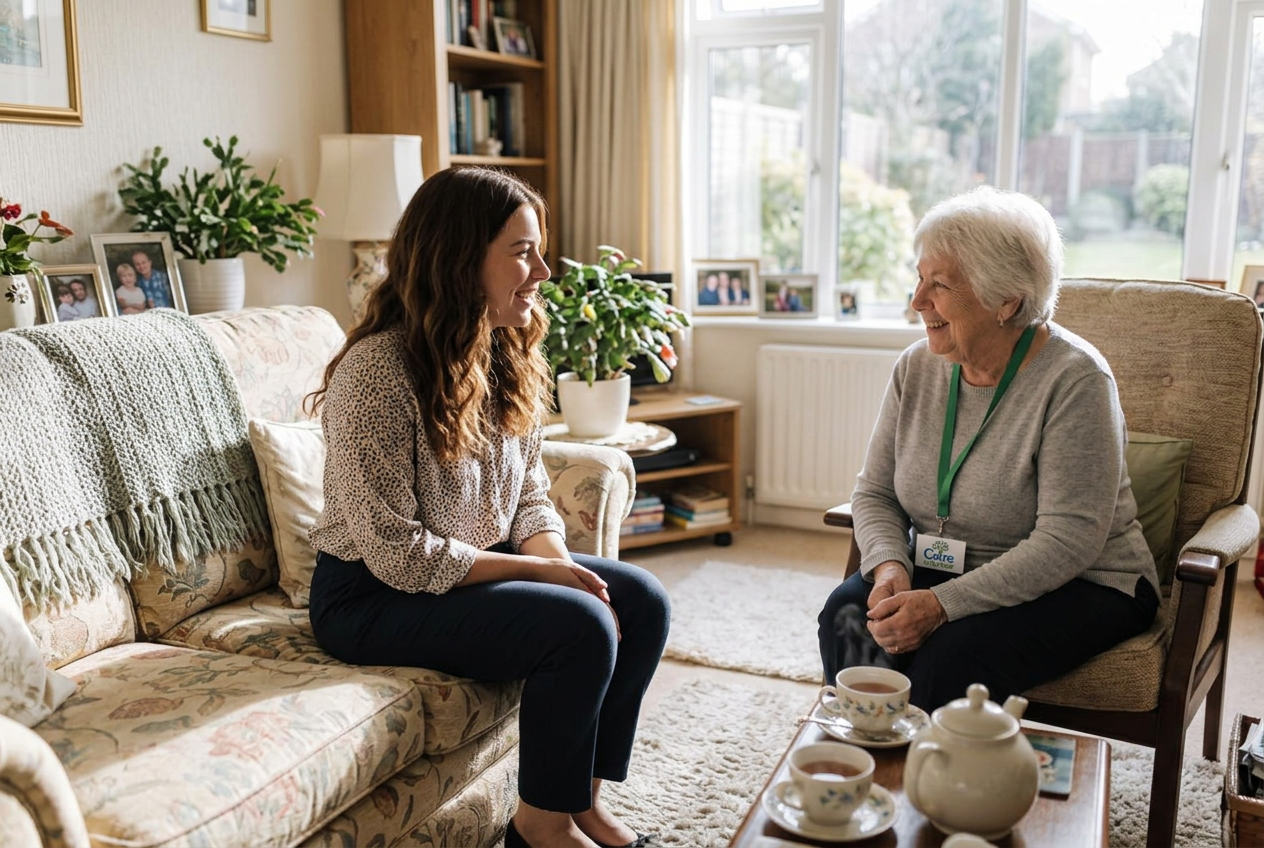
Most organisations that want to run employee volunteering already have the hardest ingredient: people who want to help. What is often missing is the structure that turns that goodwill into regular, well-matched activity that communities value and that the organisation can stand behind. This guide sets out the stages we see make the difference, from the first conversation about purpose to the review that shapes next year's programme.
1. Start with shared objectives
A volunteering programme works best when it is designed around two sets of objectives at once: what the organisation hopes to achieve and what the community actually needs. Treating these as a single question, rather than starting with a list of activities, avoids the familiar problem of well-meant days that create more work for the host than they relieve.
On the organisation side, objectives usually fall into a few groups:
- Community contribution: supporting local causes in a sustained, visible way.
- Employee experience: offering colleagues purpose, connection and development outside their day-to-day role.
- Commitments and reporting: evidencing progress against CSR, ESG or social value commitments, including those made in public sector contracts.
- Place and reputation: strengthening relationships in the areas where the organisation operates and recruits.
Write down two or three objectives that matter most, and agree who owns them. A short statement such as "We want to support older people in our three office locations through regular companionship and practical activities, and to report participation and feedback to our board twice a year" is far more useful than a broad aspiration to "give back".
2. Understand your employees
Before choosing activities, find out what your colleagues can realistically offer. A short survey or a few team conversations will tell you more than assumptions. Useful questions include:
- How much time could you give, and when: weekdays, evenings or weekends?
- Would you prefer to volunteer alone, with colleagues or with family?
- Which skills would you be happy to share: digital help, gardening, cooking, mentoring, professional expertise?
- Are there causes that matter to you personally?
- Do you have any access needs or constraints we should plan around?
Remember that availability varies widely. Shift workers, part-time colleagues and carers may have less flexibility than office-based staff, so a programme with only one format will exclude people. Offering a mix of short, regular and one-off opportunities makes participation fairer.
If your organisation offers paid volunteering leave, make the policy clear and easy to use. Leave that exists on paper but is hard to book will not be used.
3. Choose suitable opportunities
Good opportunities are useful to the host, achievable for the volunteer and safe for everyone involved. When reviewing possible activities, consider:
- Need: Has the community organisation asked for this, or are we proposing it?
- Fit: Does it match the time, skills and interests employees told you about?
- Continuity: Can it be repeated, so relationships build over time?
- Capacity: Can the host supervise and support volunteers without strain?
- Risk: What could go wrong, and what proportionate steps would prevent it?
Regular, lower-intensity activities, such as weekly companionship visits, community café support or digital help sessions, often create more value than a single large event, because trust and familiarity grow with each visit. Team days still have a place, particularly for practical projects, but they work best as part of a wider pattern rather than the whole programme.
4. Identify and assess community partners
Your community partners determine much of the programme's quality. Look for organisations with a clear purpose, an established relationship with the people they serve and the capacity to host volunteers well. Local infrastructure bodies, such as councils for voluntary service, are often a helpful starting point.
When assessing a potential partner, it is reasonable to ask:
- What do they need, and how would volunteers help?
- Who will be the named contact for volunteers on the day?
- What safeguarding policy and procedures do they have, and how will volunteers be briefed on them?
- Do they hold appropriate insurance for volunteer activity?
- What would make the partnership feel like hard work for them, and how can you avoid it?
A partnership should not cost the host more than it gives. Some organisations reasonably ask for a contribution towards coordination, materials or volunteer supervision. Our guide to building strong community partnerships covers this in more detail.
5. Put safeguarding and role boundaries in place
Every role should have a short description that sets out what volunteers will do, what they will not do and who they report to. Clear boundaries protect the people being supported, the volunteers and both organisations.
Safeguarding should be proportionate to the activity. Many volunteering roles, such as group gardening, event support or companionship in a supervised setting, do not involve activities that make someone eligible for a higher-level criminal record check. Others, such as certain one-to-one roles with adults who are receiving care, may be. DBS eligibility depends on the specific activities and setting, and is set out in law; it is not something an organisation can choose for itself. Our safeguarding and volunteer readiness guide explains the distinctions and where to find the official guidance.
Whatever the role, volunteers should know how to raise a concern and who to speak to.
6. Prepare employees through induction and training
A short, well-designed induction does more for quality and confidence than any amount of enthusiasm. Before their first activity, volunteers should understand:
- the purpose of the activity and the organisation they are supporting;
- their role, its boundaries and who supervises them;
- how to behave respectfully, including how to listen and how to protect people's dignity and privacy;
- the host's safeguarding procedures and how to report a concern;
- practical arrangements: where to go, what to bring, what to do if they are running late or cannot attend.
For roles involving older or potentially vulnerable people, a little extra preparation on communication, consent and boundaries is time well spent. Keep induction materials short and practical; volunteers remember a clear one-page brief far better than a long manual.
7. Manage scheduling, participation and communication
Coordination is where many programmes struggle. Opportunities need to be published, places booked, reminders sent, attendance confirmed and changes communicated to both volunteers and hosts. Without a clear process, the burden falls on a small number of enthusiastic colleagues and the programme stalls when they move on.
Practical steps that help:
- Publish opportunities well in advance, with clear descriptions and time commitments.
- Confirm bookings with the host and send reminders to volunteers.
- Agree what happens if someone cancels, and make it easy to do so early.
- Keep a simple record of who attended, for how long and in what activity.
- Thank people promptly; recognition matters.
Managers play a large part. When line managers understand the programme and make time for it, participation rises. When they do not, even generous leave policies go unused.
8. Measure outcomes, gather feedback and improve
Measurement should help you learn, not simply produce a number for a report. Start with reliable records of participation, then add feedback from hosts, volunteers and, where appropriate and with consent, the people supported. Our guide to measuring the social value of volunteering explains how to distinguish activity from outcomes and how to avoid overstating results.
Review the programme at least once a year. Ask what worked, which partners valued the support most, where volunteers dropped out and what you would change. Share what you learn with your partners as well as your board.
Implementation checklist
- Two or three agreed objectives, with a named owner
- Employee survey or conversations completed
- Volunteering leave policy confirmed and communicated
- Shortlist of community partners assessed
- Role descriptions with clear boundaries for each activity
- Proportionate safeguarding arrangements agreed with each host
- Short induction brief prepared
- Booking, reminder and attendance process in place
- Feedback collected from volunteers and hosts
- Annual review scheduled
Bringing it together
A successful employee volunteering programme is less about the size of the launch and more about steady, reliable delivery. Clear objectives, well-chosen partners, proportionate safeguarding and good coordination allow goodwill to become regular community participation, with evidence you can be confident in.
For practical templates to support each stage, download the Corporate Volunteering Programme Starter Kit.
This guide provides general information to help organisations plan volunteering. It is not legal or professional advice.
Related resources
Explore how Care to Volunteer can support your organisation
We plan, coordinate and record employee volunteering as a managed service, working with community partners near you.
Related guides
01
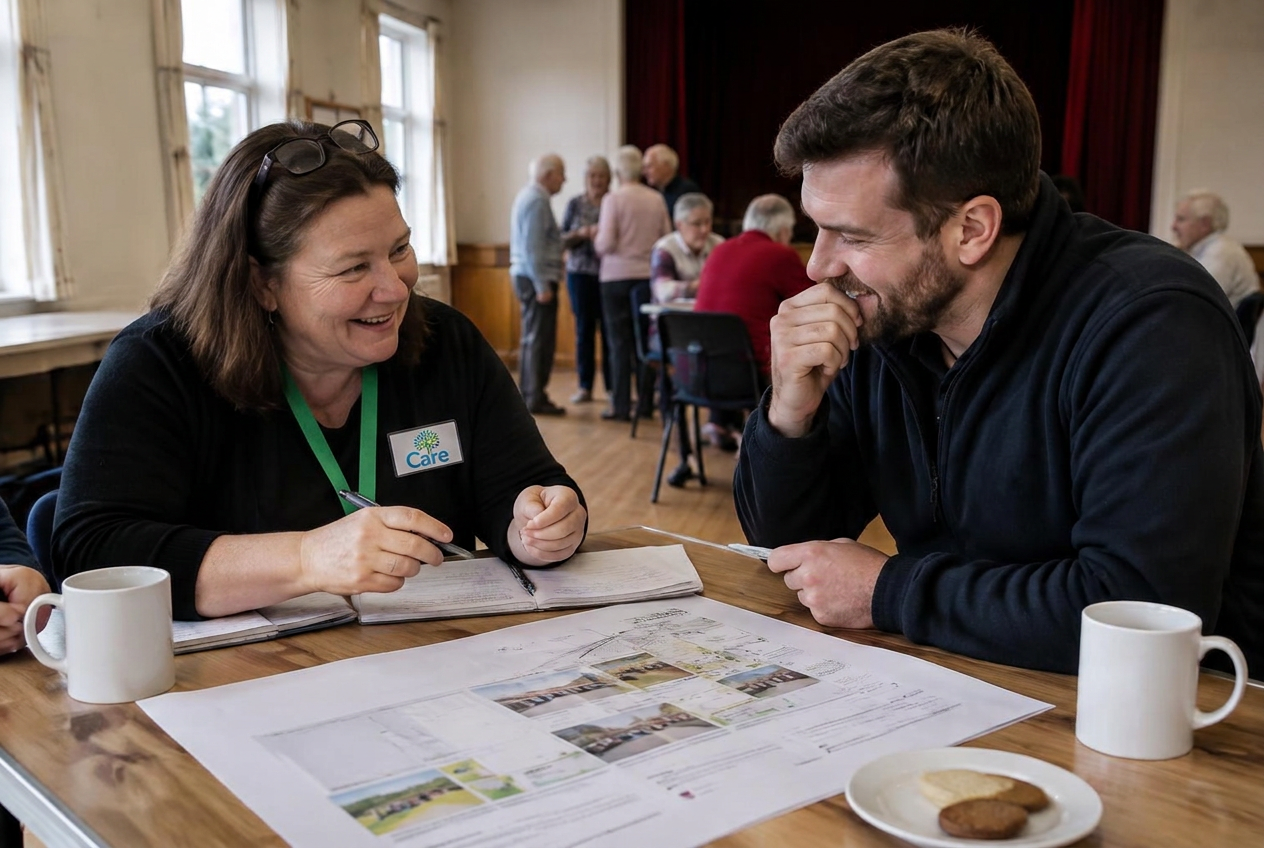
How to Build Strong Community Partnerships
How employers and community organisations can build volunteering partnerships founded on real needs, shared expectations and reliable delivery.
Partnerships5 min read
02
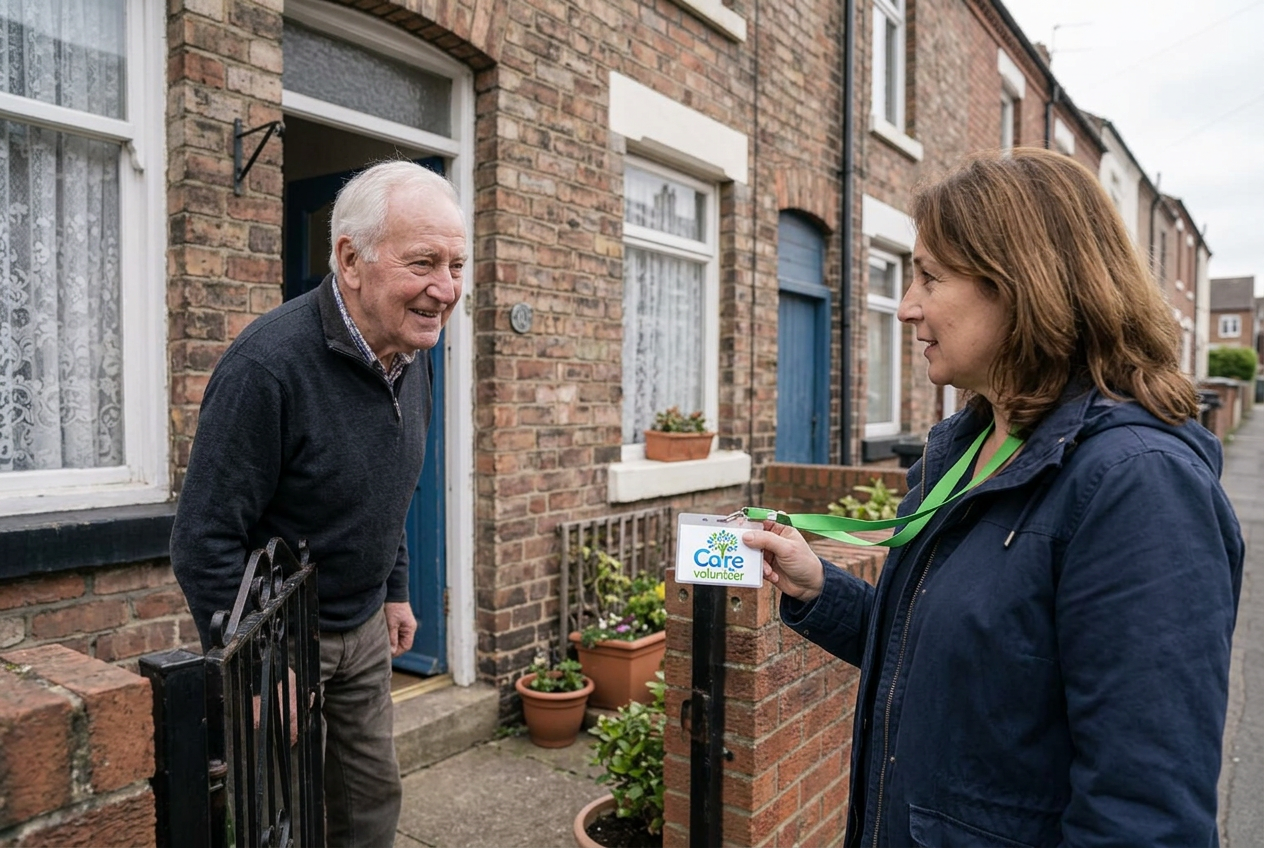
Safeguarding and Volunteer Readiness: A Practical Guide
Proportionate safeguarding for volunteering: assessing risk, understanding DBS eligibility, setting boundaries and knowing how to raise a concern.
Safeguarding7 min read
03
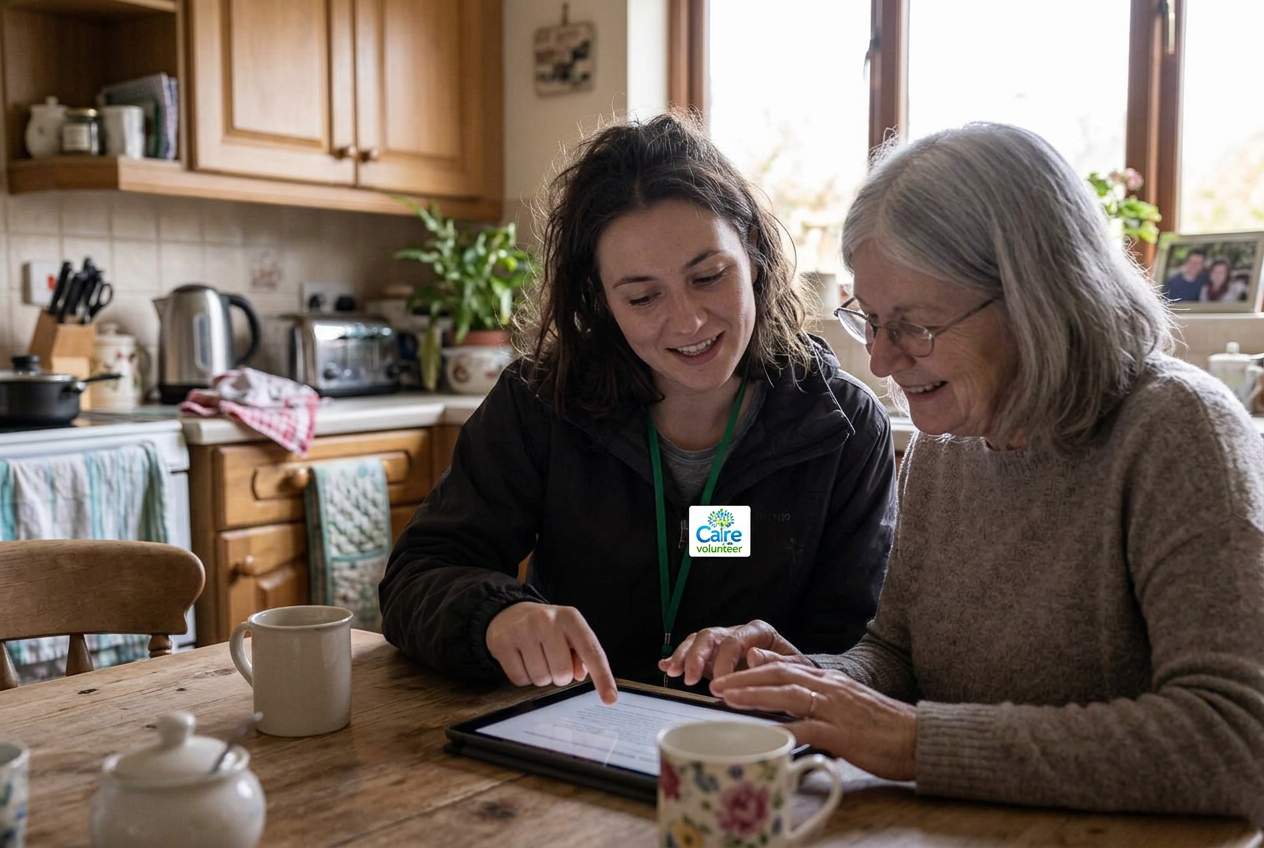
How to Measure the Social Value of Volunteering
A practical approach to evidencing the difference volunteering makes, from baselines and outcomes to honest reporting for commissioners and boards.
Social Value7 min read