
Article
Beyond the Volunteering Day: Rethinking Corporate Social Responsibility
Corporate volunteering can achieve much more than a successful team-building day. When thoughtfully organised, it can become a meaningful connection between employees, organisations and the communities around them.

When one day is not enough
Picture a group of colleagues spending a Friday afternoon transforming a neglected community garden.
They arrive with enthusiasm, put their usual work aside and spend several hours planting flowers, clearing pathways and working alongside local residents.
By the end of the afternoon, the garden looks different. The team feels proud, photographs are shared and the experience becomes part of the company's CSR report.
It is a worthwhile contribution.
But an important question remains: What happens on Monday?
Will the garden continue to receive attention? Will the relationships formed that afternoon develop? Will the organisation understand what the community needs next?
These questions do not diminish the value of a single volunteering day. They encourage us to consider how that experience might become part of something more meaningful.
From occasional activity to lasting engagement
Traditional corporate volunteering often centres on annual charity days, fundraising events or team activities.
These initiatives can introduce employees to community causes and create valuable opportunities for participation.
However, volunteering becomes more powerful when organisations think beyond individual events and consider how their people can contribute over time.
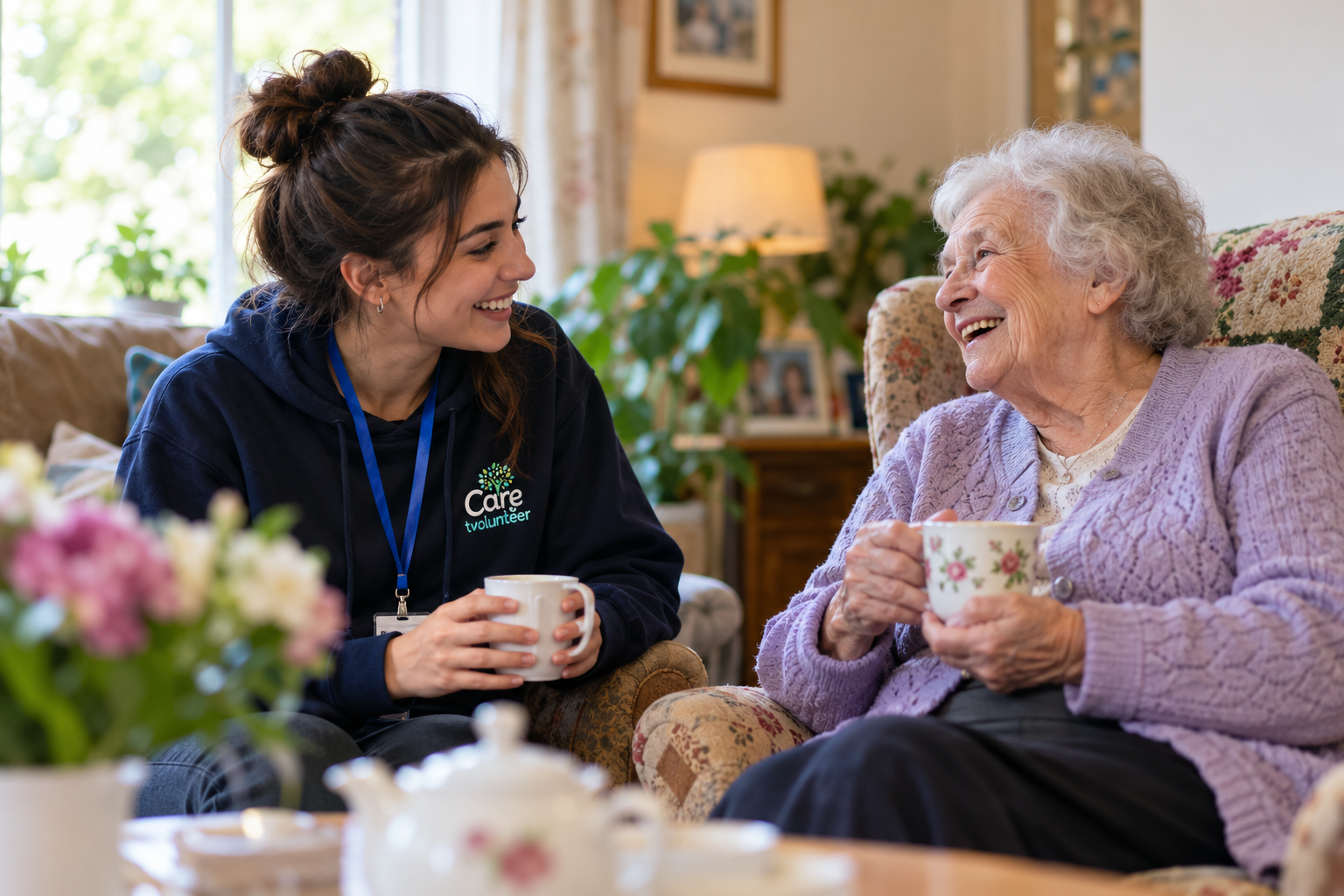
An employee with digital skills might support an older resident learning to use online services. Someone who enjoys conversation could participate in an appropriate companionship programme. A team passionate about the environment might support an ongoing neighbourhood project.
Not every volunteer needs to make a weekly commitment. Flexibility is important, particularly for people balancing employment, family responsibilities and other commitments.
What matters is creating a programme in which individual contributions respond to genuine community needs.
Employees want meaningful experiences
A volunteering opportunity should offer more than a change of scenery from the office.
It can introduce employees to different perspectives, encourage collaboration and create opportunities to develop confidence, empathy and practical skills.
For employers, these experiences may contribute to a stronger sense of organisational purpose and employee engagement.
But participation should remain meaningful and voluntary. Employees have different interests, abilities and circumstances, and a successful programme should recognise those differences.
Offering a variety of opportunities allows more people to discover ways of contributing that feel relevant to them.
The aim is not simply to maximise participation figures. It is to create experiences worth participating in.
The challenge of making volunteering work
One reason organisations rely on occasional volunteering days is that coordinating a wider programme takes time.
Suitable opportunities must be identified. Community partners need to be engaged. Volunteers require clear information, and some activities involve additional safeguarding or suitability considerations.
There is also the question of reporting.
How does an employer know which activities took place? How much time was contributed? What evidence is available to support its CSR commitments?
Without appropriate coordination, these responsibilities can become a significant administrative burden.
This is where a professionally managed approach makes a difference.
A more connected approach
Care to Volunteer is designed to bring employers, volunteers and community opportunities together through a coordinated service supported by technology.
Rather than expecting organisations to manage every element independently, our approach brings programme planning, participation coordination and structured reporting into a more connected experience.
For employers, this creates a clearer route from corporate responsibility objectives to practical community participation.
For volunteers, it provides opportunities to contribute their time and abilities to causes that matter to them.
For communities, the intention is to connect willing participants with suitable activities that respond to identified needs.
The value of this approach lies in making volunteering more purposeful, accessible and accountable.
Measuring more than hours
Volunteer hours are an important starting point for understanding contribution, but they do not tell the entire story.
A company may record hundreds of hours without knowing whether those activities addressed the needs of the communities involved.
Meaningful reporting should therefore consider the nature of the activity, the people or organisations reached and any relevant feedback or outcomes that can be responsibly measured.
Care to Volunteer's reporting model is designed to bring together participation records and supporting evidence, enabling organisations to develop a clearer understanding of their community contribution.
Where social-value estimates are produced, the methodology and assumptions should be transparent. A calculated monetary figure should not be confused with an independently verified social outcome.
Credibility matters as much as ambition.
Making volunteering part of organisational culture
Corporate responsibility should not be measured solely by the number of activities appearing in an annual report.
It should also be reflected in the opportunities organisations create for their people to contribute meaningfully.
Sometimes that contribution will involve an entire team. At other times, it may be one employee spending an hour with someone who would otherwise have little company.
Both can matter.
The future of corporate volunteering is not necessarily about organising more events. It is about making participation more thoughtful, more connected to community needs and easier to sustain.
Because the most meaningful contribution is not always the biggest event. Sometimes, it is the commitment to keep showing up.
- Corporate Volunteering
- Employee Volunteering
- Social Value
- Community Wellbeing
Bring coordinated volunteering to your organisation
Care to Volunteer runs employee volunteering as a managed service, from the first invitation to the final report.
Related Insights
Article
The Hidden Cost of Loneliness: Why Human Connection Matters
Loneliness is not always visible. Understanding the experience of disconnection is the first step towards building more connected communities.
13 October 20266 min read

Article
Volunteering, Employee Wellbeing and Organisational Success
How thoughtfully coordinated volunteering can support employee wellbeing, workplace relationships and credible corporate responsibility.
14 October 20264 min read

Article
From CSR Spending to Measurable Social Value: What Businesses Need to Know
Businesses are increasingly expected to show what their contribution achieves, not just what it costs. Here is what that means for CSR, social value and reporting.
13 October 20265 min read